Five-O Number Puzzle Game
Reviews
Five-O Number Puzzle Game offers a refreshing twist on classic board puzzles. The combination of number sequences and bonus squares keeps each game strategic and engaging. It is easy to learn but offers depth for repeated play. Great for all ages, it sharpens mental math skills while providing friendly competition.
About This Game
Game Introduction
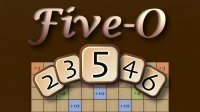
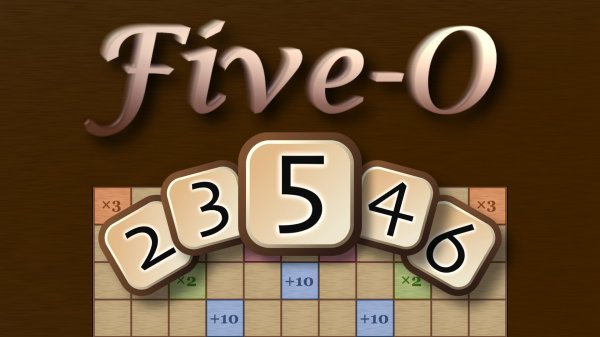
Five-O Number Puzzle Game is a board-based puzzle experience that blends numerical strategy with classic crossword-style gameplay. Instead of letters, players use number tiles to create intersecting sequences that sum to multiples of five, with each sequence limited to five tiles. The core objective is to outscore an opponent by strategically placing tiles on a grid, earning points based on the sums of sequences and bonuses from special board squares. This family-friendly game offers a fresh challenge for puzzle lovers and is safe for all ages. The game emphasizes careful planning and mental math, making it a rewarding activity for players who enjoy logical thinking and friendly competition.
How to Play
Players take turns placing number tiles on the board to form sequences that add up to a multiple of five. The first sequence must start on the center square, and each new sequence must connect to existing tiles. Points are earned based on the sum of each sequence, with additional bonuses from special board squares. At the end of a turn, players draw new tiles to maintain their hand. The game continues until no tiles remain, and the player with the highest score wins, while the opponent loses five points for each unplayed tile. Controls typically involve dragging or clicking to place tiles.
Game Features
Strategic number placement is at the heart of the game, requiring players to plan sequences that maximize points. Bonus squares on the board offer opportunities to earn extra points, adding a layer of tactical decision-making. Competitive scoring encourages players to balance offense and defense, as unplayed tiles result in point penalties. The game may include a grid-based board and a set of numbered tiles, with the number five serving as the key multiplier for valid sequences.
Tips for Success
Focus on forming sequences that use bonus squares to maximize your score. Plan ahead by considering how your placement will affect future moves, as each sequence must connect to existing tiles. Keep track of the tiles you have and try to anticipate your opponent's strategy. Practice mental math to quickly identify combinations that sum to multiples of five, and aim to use all your tiles to avoid penalties. Regular play will help you develop a stronger sense of optimal placement.